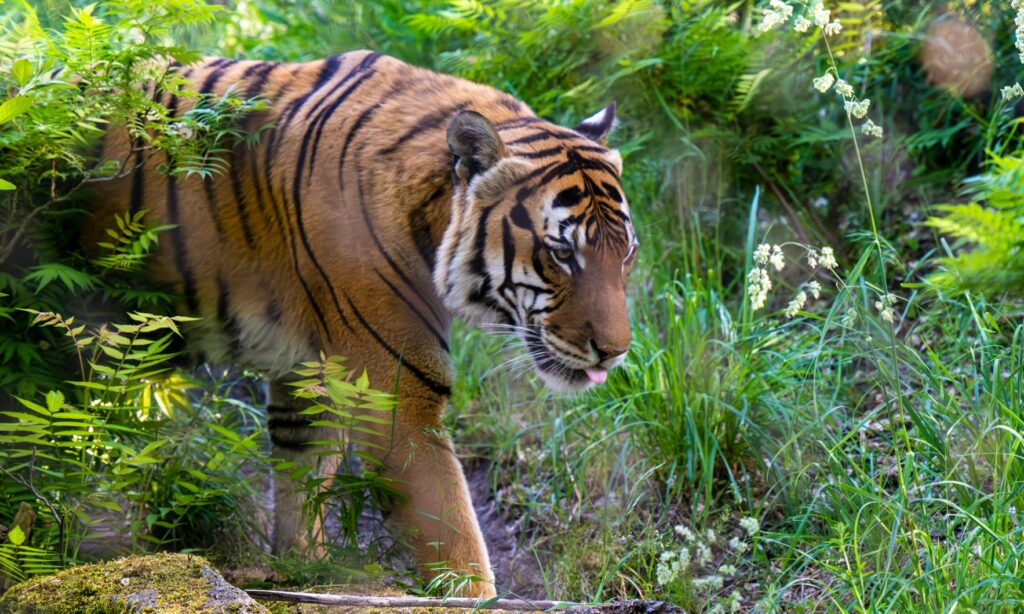

We all essentially know what an endangered species is. Wikipedia defines it as “a species that is very likely to become extinct in the near future, either worldwide or in a particular region.” Many species that come to mind when we think of endangered are so because of human activity. Global warming and climate change, habitat loss, invasive species, and overexploitation are all caused or exacerbated by mankind, and they are all taking their toll on our planet’s biodiversity. But humans are also trying to help. Some organizations, such as the International Whale Shark Society, choose to protect a single species – or a specific region, such as Project Piaba, who supports local fisheries of the Amazon Basin in South America. Other foundations take a global approach – for example, World Wildlife Fund, which has conservation efforts in over 100 countries around the world.
Have you ever wondered who decides whether a habitat needs conservation? Or which species are endangered and which are not? After all, just because the 1.47 billion people in India never have raccoons in their garbage bins doesn’t mean that raccoons are endangered. (They’re just busy terrorizing the dumpsters of North America!)
IUCN Red List
The International Union for Conservation of Nature (IUCN) is the leading authority when it comes to the global conservation status of animal, plant, and fungus species. Established in 1948, they have grown into a vast network that consists of some 19,000 experts and 1,600 member organizations who use their experience and expertise to support global conservation efforts.
The IUCN is crucial not only for helping to identify the species in need of targeted recovery efforts, but also for focusing the conservation agenda by identifying the key sites and habitats that need to be protected.
– UICN
Want to Know More?
Check out the IUCN Barometer of Life!
The IUCN Red List of Threatened Species was established in 1964 to provide scientific-based information about global populations of species. Their goal was to draw attention to the importance of the world’s threatened biodiversity and influence conservation policy and decision-making at local and global levels. Far from a simple bulleted list of species IUCN experts deem endangered, the Red List has entries for every species – or subspecies – they have evaluated. Each entry contains a wealth of information about the species, including its population, habitat and ecology, threats, and conservation actions. Also included is the IUCN Red List global assessment, which, besides Not Evaluated, could be any of eight category tags:
- Data Deficient, meaning the appropriate data about a species’ abundance and distribution is too lacking to make an accurate judgement, such as the Bullseye Reef Lobster and Peppered Tree Frog.
- Least Concern, meaning evaluation has determined that the species does not qualify for a threatened category (such as raccoons).
- Near Threatened species are close to qualifying (or are likely to be) for a threatened category. Did you know that both the Zebra and the Emperor Penguin are on this list?
- Vulnerable species face a high risk of extinction in the wild. Aquarists might be surprised to learn that in the wild, Betta splendens is considered vulnerable.
- Endangered species are facing very high risk of extinction in the wild, for example the Siberian Tiger and African Wild Dog.
- Critically Endangered species face extremely high risk of extinction in the wild, such as the sea pineapple and agarwood.
- Extinct in the Wild species are only known to survive in cultivation, captivity, or in naturalized populations well outside their past range. Spix’s Macaw (or little blue macaw) is one such example, depleted in the wild in part for the pet trade, with current efforts being made to reintroduce it to the wild.
- Extinct is used only when there is no reasonable doubt that the last individual has died. You won’t find dinosaurs on this list, but you will find the Dodo – and the ‘ō‘ū, a Hawaiian bird the IUCN declared extinct in 2024.
Today, the IUCN has evaluated some 175,900 species – and identified more than 49,000 that are threatened with extinction. They still continue their work, with goals to increased the number of assessed species to 260,000 by 2030. And just because a species has been assessed and appear on the List doesn’t mean that it is then forgotten; their goals for 2030 include the reassessment of a further 142,000 species.
Want to Know More?
Check out the IUCN Red List site!
Endangered Species Act
Informing legislation and conservation efforts is one of the IUCN’s stated goal, and one it has achieved. The IUCN and their Red List have proven to be invaluable resources around the world for individuals, organizations, and legislations interested in preserving our planet’s ecosystems. Countries worldwide have used the Red List Classifications in law. More than 100 countries have taken inspiration from the List and created their own for the purpose of informing local law and policy. In the U.S. this is the Fish and Wildlife Service’s (FWS) Federal Lists of Endangered and Threatened Wildlife and Plants, which informs the ESA.
Dubbed the world’s strongest conservation law, the Endangered Species Act (ESA) was passed by Congress in 1973 to “protect and recover the Nation’s imperiled species and the ecosystems upon which they depend.” The title says it all – a there are two lists, one of Endangered, and one of Threatened species.
- Endangered species are those in danger of extinction throughout all or a significant portion of their range, such as the California Condor and Hawaii Creeper.
- Threatened species are those likely to become endangered within the foreseeable future. Both the Grizzly Bear and Polar Bear are listed as Threatened.
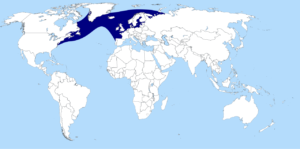

The FWS Lists and the Red List don’t always align perfectly. The Atlantic Salmon, for example, is listed as Endangered by the FWS, while the Red List tags the Atlantic Salmon as Near Threatened. Is one of them wrong? It’s more a matter of scope. When the FWS considers the Atlantic Salmon, they are concerned with its American habitat and range along the north Atlantic coast – and there, warming waters have drastically affected the population of Atlantic Salmon. The IUCN, however, will see Maine, USA as only one of several countries where the Atlantic Salmon is found, and take all of these locations into account.
Want to Know More?
Check out this FWS article about the Endangered Species Act!
Convention on International Trade in Endangered Species of Wild Fauna and Flora
As with local legislations, IUCN’s Red List informs international organizations, as well, such as the Convention on International Trade in Endangered Species (CITES). An international agreement between governments, CITES considers living and dead animals and plants as well as their parts and derivatives, including processed parts.
CITES aims to ensure that international trade wild animals and plants is legal, sustainable and traceable, and does not threaten the survival of the species in the wild.
– CITES 2025 Brochure (PDF)
CITES protects some 34,350 pants and 6,700 plants by means of permit and certificate regulation. And you guessed it – they also have lists! CITES’ lists, which are Appendices, are organized by level of protection
- Appendix I species are the most endangered, threatened with extinction and prohibited in trade.
- Appendix II species are not necessarily threatened now, but may become so unless trade is closely controlled.
- Appendix III species are those whose trade a Party regulates and needs international cooperation to prevent unsustainable or illegal exploitation.
Want to Know More?
Check out the CITES website!
Organizations like CITES and IUCN provide global standards for identifying threatened species in our world and how our society should interact with them. They build off one another, strengthening efforts to preserve our biodiversity and life on planet Earth.
Further Resources:
Animal Welfare Institute | List of Endangered Species
Wikipedia | Endangered Species