-
Endangered Species & Their Lists
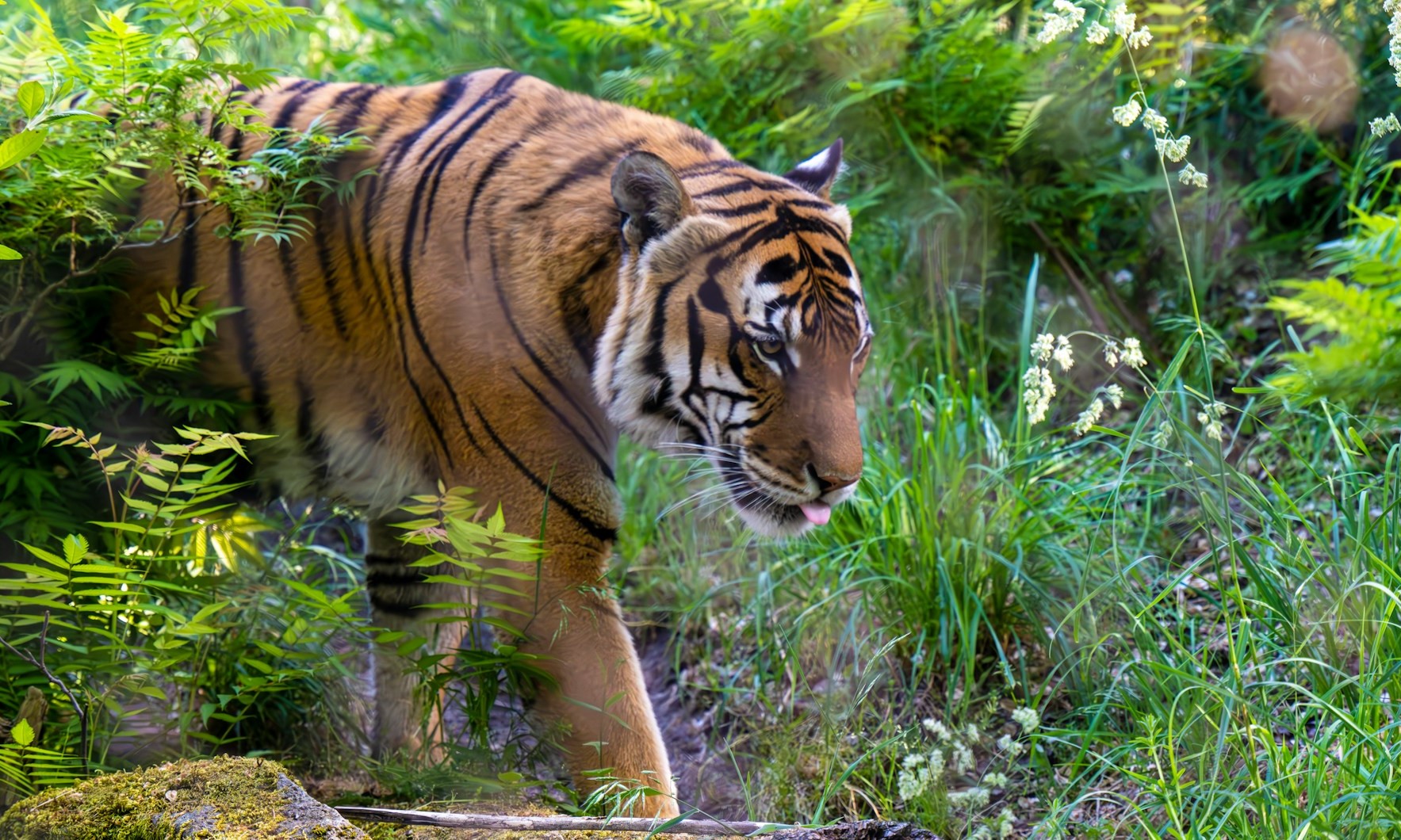
We all essentially know what an endangered species is. Wikipedia defines it as “a species that is very likely to become extinct in the near future, either worldwide or in a particular region.” Many species that come to mind when we think of endangered are so because of human activity. Global warming and climate change,…
-
Agroforestry and Agrivoltaics
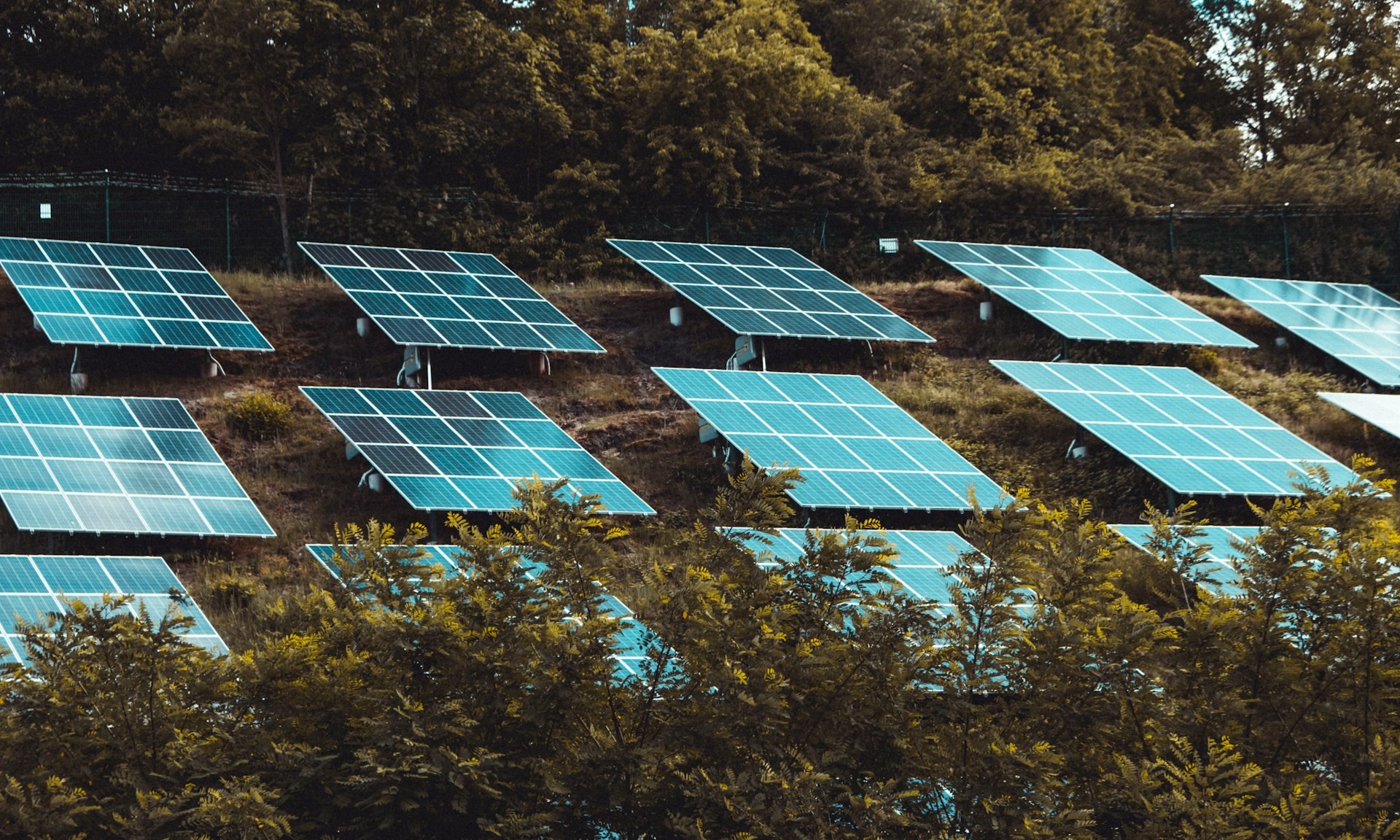
In 2023, there were still 666 million people with no access to electricity; 581 million of them live in sub-Saharan Africa. Just last year, in 2025, there were still 266 million people in the world experiencing acute food insecurity, including 35.5 million children suffering malnutrition. When we talk about multidimensional poverty, access to nutrition and…
-
What is Reforestation?
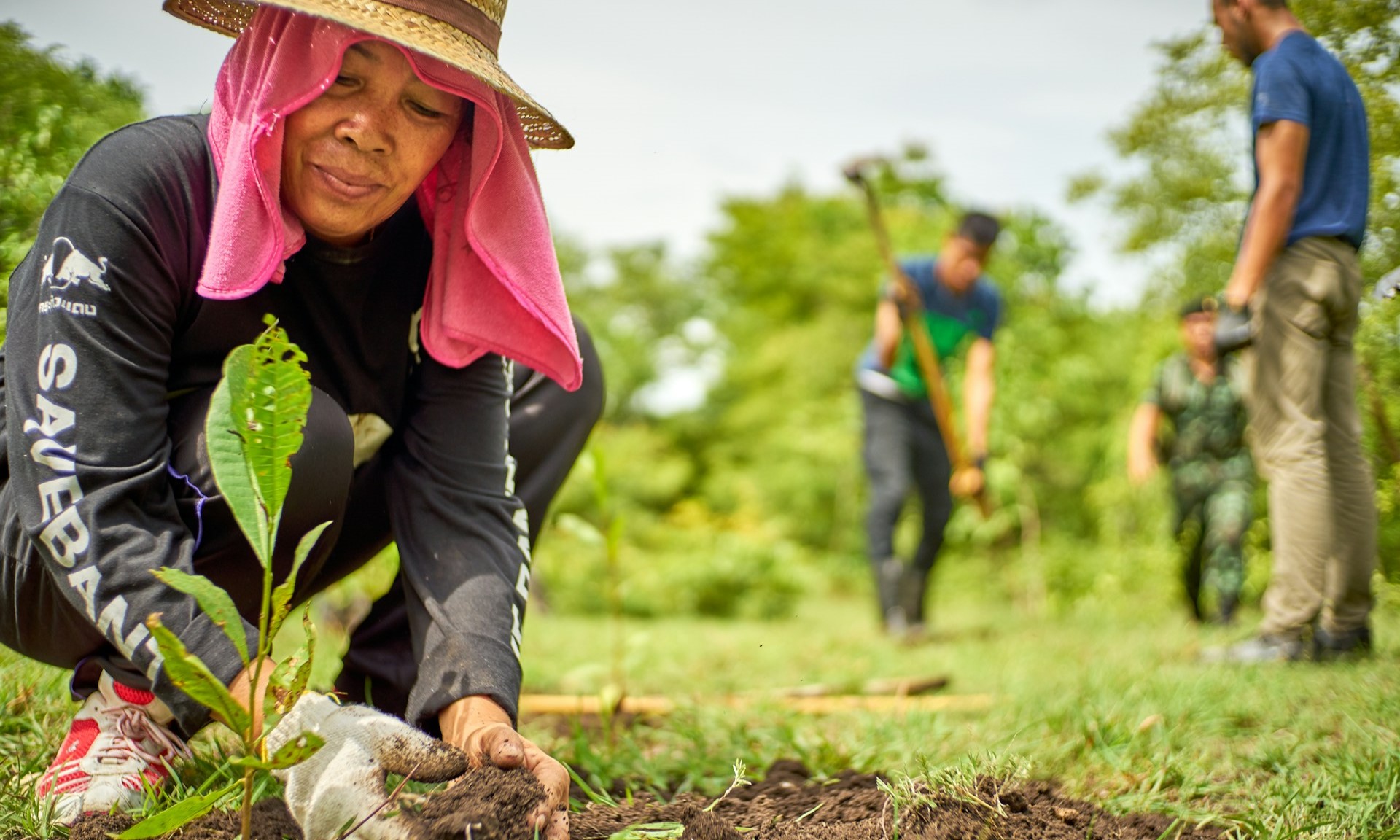
It’s been said that forests are the planet’s lungs, but they don’t just provide us with oxygen, they give us shelter and food; they stabilize the land from which they grow, and have a massive impact on the global water cycle. Whole ecosystems are dependent on trees – and so are we. Importance of Forests…
-
Coastal Erosion in West Africa
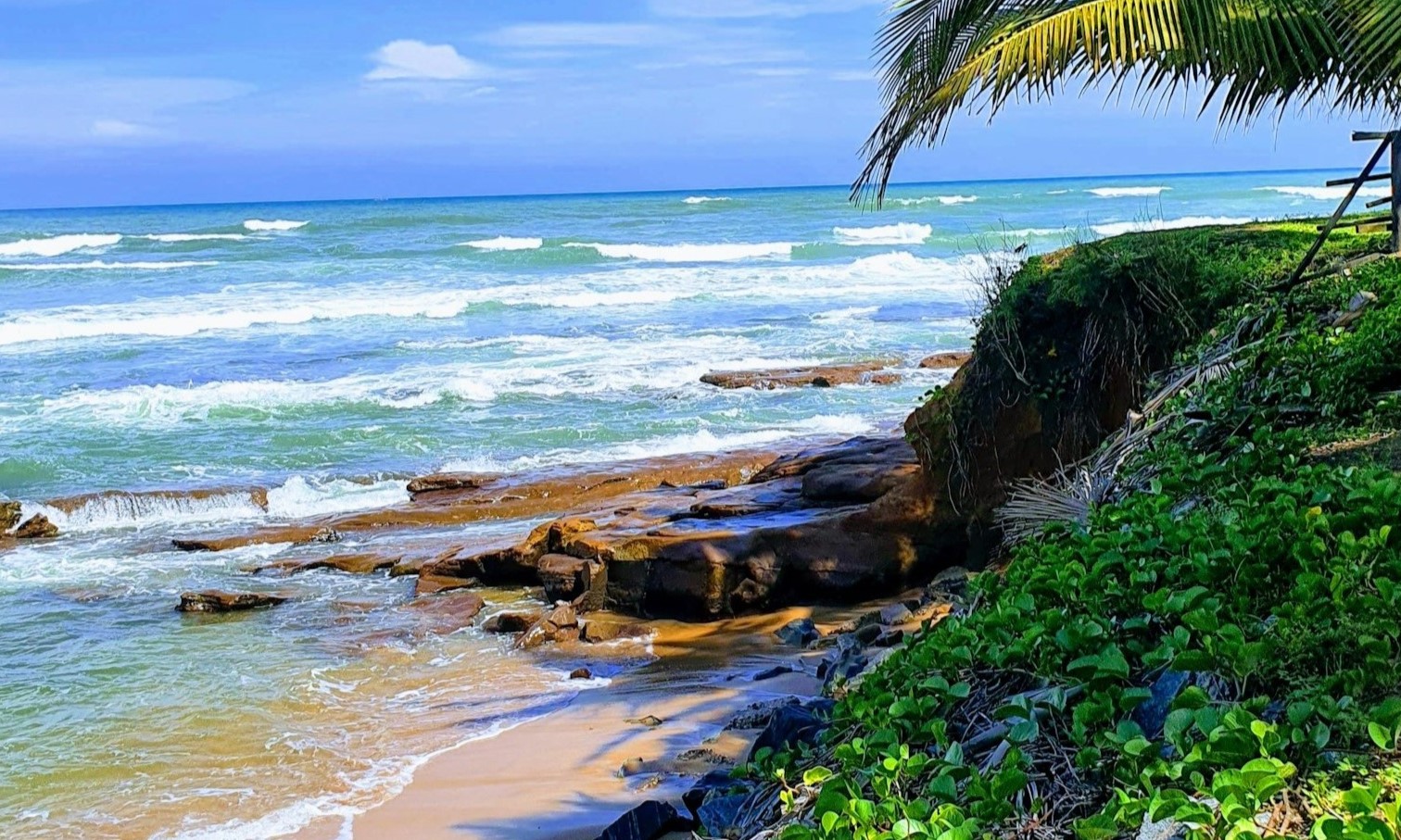
Communities around the world are experiencing coastal erosion. On the one hand, this is a natural phenomenon: storms slam into coasts, blow sand from the beach out to sea and cause catastrophic damages to the environment and infrastructure; even everyday tides crashing continuously into rocky shores, break rock apart and wear cliffs down with a…
-
What Is a Keystone Species?

The abundance and diversity of life is one of the most amazing aspects of our planet. Some animals wriggle along with no legs at all, while others scuttle about on ten; some plants remain microscopic, while others tower hundreds of feet in the air. We all share this world, but did you realize that we…
-
African Spurred Tortoise

Native to the Sahel, the African Spurred Tortoise is the largest mainland tortoise in the world, and the third largest of all tortoise varieties. Also called sulcata tortoises (from their scientific name, Centrochelys sulcata), they are a rather boxy tortoise that can grow up to three feet across – and tall! – and weigh up…
-
AGOA – A Promising Challenge

The African Growth and Opportunity Act is the backbone of US economic policy and commercial engagement with Africa. In the past 24 years, this Act has promoted both political and economic reform throughout Sub-Saharan Arica, but in September 2025 AGOA benefits are set to expire. What is AGOA? Essentially, the Act is “a long-term commitment…
-
Gambian Independence

February 18, 1965, The Gambia became the 37th sovereign state in Africa. After four centuries of British colonial rule, The Gambia was now an Independent Monarchy within the Commonwealth, flying their striped flag in place of the Union Jack. The Gambia was the last British colony is West Africa to gain independence, but there is…
-
Data and Power in Developing Countries
We live in a world of rapidly development. Advanced technology offers many benefits, such as streamlining healthcare and making information and education more widely available – both of which are key to transforming low-income countries. But have you ever considered the cost our world is paying to modernize? Powering Data It takes a lot of…
-
What is The Sahel?
Many of us are familiar with the common divisions of Africa: northern, west, sub-Saharan, etc. So, what, exactly, is the Sahel? The Saharan Coast From an Arabic word meaning “edge” or “coast,” the Sahel is effectively a border zone between the Sahara Desert in the north and the savannahs of the south. This vast, semi-arid…
-
Orphans in Liberia
Liberia In many ways, Africa is a land of opportunity. One reason is the continent’s youthful population. In fact, more than 60% of Africans are under 25; more than 40% are under 15. But while it is home to the youngest population in the world, Africa is also home to a quarter of the world’s…
-
Salmon and the Circle of Life
Salmon are a resilient, transformative fish that feature in mythologies of Native American cultures as well as European – and they taste good, too! In fact, with a high concentration of omega 3 fatty acids as well as vitamin D, salmon is considered a health food. Life Underwater Salmon live their lives on the move. …
-
Poverty in Little Dixie
It is easy to think of poverty as a phenomenon unique to the developing areas of the world, but poverty occurs in every nation in the world. The United States, with a significant wealth inequality gap, has varying poverty rates, up to 17.8%, pointing to challenges even in the world’s largest economy. – World Population…
-
Primary Healthcare in Nigeria
Every human being deserves health and the ability to pursue happiness. And yet, more than half the people in the world struggle to find basic healthcare. Access to basic healthcare caused financial hardship for nearly two billion people, while over 1.3 billion were pushed back or pushed deeper into poverty just trying to access basic…
-
Flood Water
Floods are one of the most common – and devastating – natural disasters in the world. In some areas, however, they are a common occurrence. Floods Many people are concerned about floods right now (October, 2024). Hurricane Milton has just crashed over Florida in the United States, but Typhoon Yagi, Storm Boris, and heavy rainfall…
-
Water and Irrigation in The Gambia

Water is abundant in The Gambia. The tiny nation follows along the river for which it is named; one of its two seasons is defined by rainfall; widespread flooding is an annual concern. As climate change worsens, however, this vital resource is becoming increasingly unpredictable. Weather in The Gambia There are two seasons in The…
-
Rabies in Africa
Rabies is a disease known the world over. While largely associated with animals, pets as well as wildlife, did you realize that it poses an ongoing and significant danger to people, as well? In fact, rabies causes tens of thousands of human deaths ever year. Rabies Rabies is a virus that is spread by the…
-
Benefits of Vocational Education
In much of sub-Saharan Africa, most vocational education is informal. While this kind of apprenticeship learning can be hugely beneficial in preserving traditional craft techniques, it can also be stifling in fast-paced industries such as technology. That being said, there are still success stories. For example, Ous Colley of Ganjur, a coastal town in the…
-
Natural Wonders of Africa: Kilimanjaro!
You probably know that the tallest mountain in all of Africa is Kilimanjaro – but did you realize that in spite of being nearly on the equator, it has glaciers? Fire and Ice Kilimanjaro is a volcanic mountain situated in northeastern Tanzania. Rising above the iconic African savanna, its slopes are robed in zones of…
-
Literacy Around the World
Literacy is the ability to engage with information, or, more specifically, the written word. While this may conjure visions of cozying up with a good book, it also includes writing, or the creation of inscribed content. In today’s increasingly information-driven world, literacy empowers people to thrive. History – Reading, Past to Present It’s hard to…
-
The Gobi Desert and Revegetation
When it comes to a desert, most of us think hot and arid, with picturesque sand dunes and not much else. The Lut Desert, for example, is the hottest place on Earth, where temperatures reaching 159°F (70.7°C) have been recorded.[1] But while heat is often considered to be hand-in-hand with a desert, this is not…
-
Sports in West Africa
The high regard humanity has for sports is evident in events such as the Olympics, World Cups, and World Championships, all of which draw participants and audiences from around the world. Elite athletes have had some of the most famous faces since ancient times, when sports such as javelin throwing and wrestling trained soldiers for…
-
Seed Libraries
Food insecurity is high in sub-Saharan Africa, especially in rural areas. In countries such as Liberia and The Gambia, many depend on family and community gardens. Sadly, it is becoming harder and harder for these rain-fed plots to succeed due to the many and varied effects of climate change. Seed libraries can help these gardens…
-
Rivers of Africa: The Gambia River
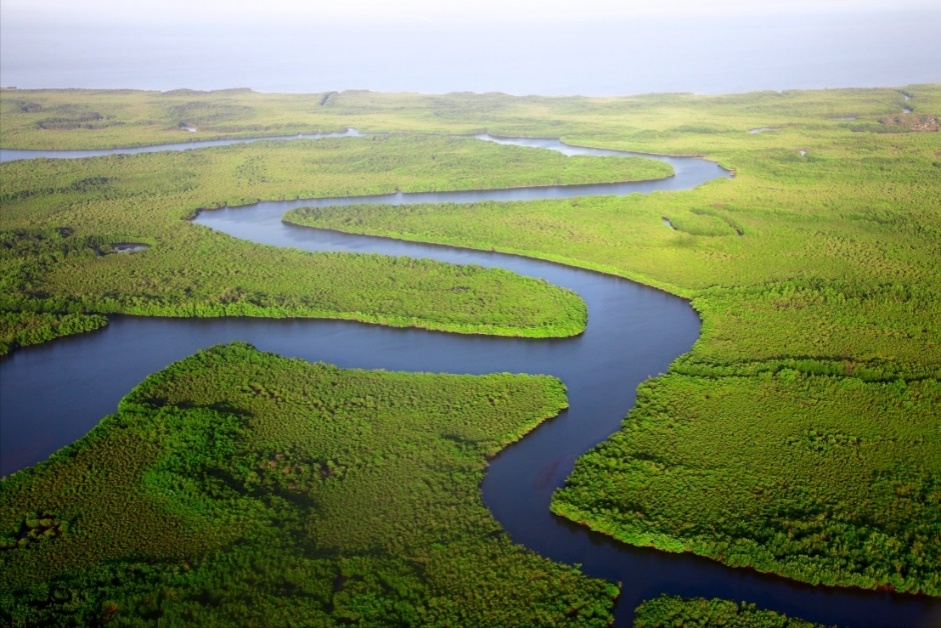
The Gambia River flows through 700 miles of savannah, forest, and mangrove swamp before reaching the Atlantic. The Gambia River Africa is home to several impressive rivers: The Nile, the longest river in the world is also uniquely north-flowing; the Congo is the deepest river in the world; and the Okavango, whose unique inland delta…
-
Rare Earth Elements
Did you know that rare earth (RE) elements aren’t necessarily scarce? Other metals widely used for industrial purposes, such as copper and zinc, are scarcer than some REs. What are Rare Earth Elements, then, and why do we call them “rare”? What Are REs? Most important, REs are a collection of 17 metallic elements. While…
-
Fighting Malaria in Africa
Malaria is a disease that has plagued humanity since ancient times. In fact, reports of malaria symptoms are recorded as far back as 1550 BCE by ancient Egyptians and in ancient China sweet sagewort was used as a treatment.[1] Sadly, while some countries have been successful in eliminating the disease, malaria continues to be a…
-
Africa’s Need for Project Managers
As a continent, Africa represents some of the greatest potential in the world for future growth. Natural resources are abundant, and the population is young and fast-growing – what they need are project managers. The Need Many low-income countries in sub-Saharan Africa, such as Cameroon and The Gambia, are working hard to transform themselves into…
-
Women of America: WAVES
The two world wars changed the world a great deal, not the least being women’s role in society. Here in America, the image of Rosie the Riveter springs immediately to mind, but did you realize that some 350,000 women served in the US Armed Forces during the Second World War?[1] In fact, their contribution was…
-
Rivers of Africa: The Niger
The Niger River is a unique, curved river whose 2,600-mile journey passes through five countries on its way from the Guinean highlands to the Atlantic. While this river gives its name to two countries – Niger and Nigeria – its own name, like those of Egypt and the Nile, was actually bestowed by the Ancient…