
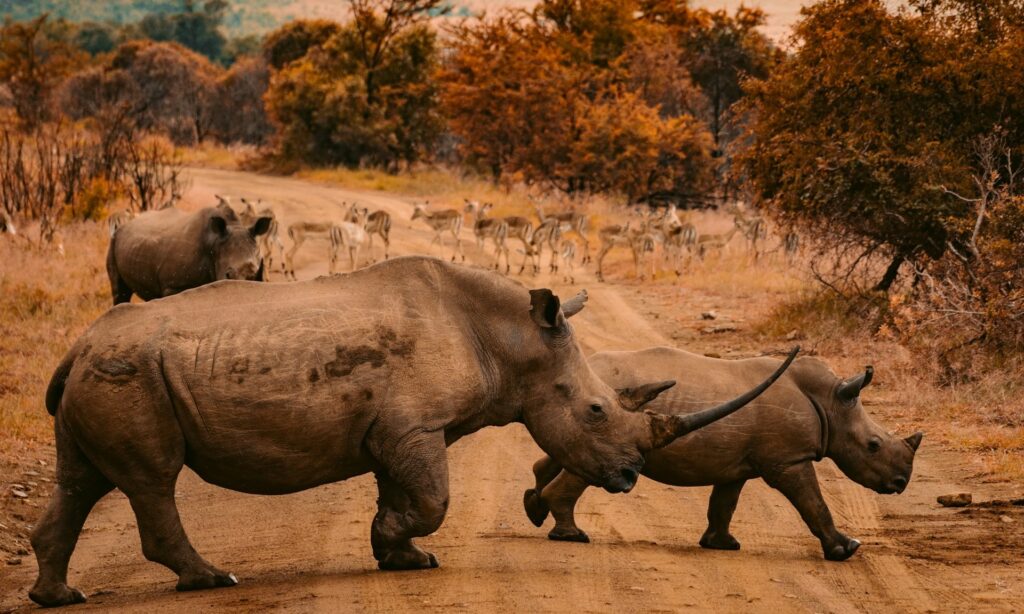
The abundance and diversity of life is one of the most amazing aspects of our planet. Some animals wriggle along with no legs at all, while others scuttle about on ten; some plants remain microscopic, while others tower hundreds of feet in the air. We all share this world, but did you realize that we all depend on one another? Together, the organisms of planet Earth form a web that supports the continuation of life. Some species have a presence that stabilizes the ecosystem where they live. Their absence can cause a cascade of harmful imbalances, even an utter collapse. These are keystone species.

Keystone Species
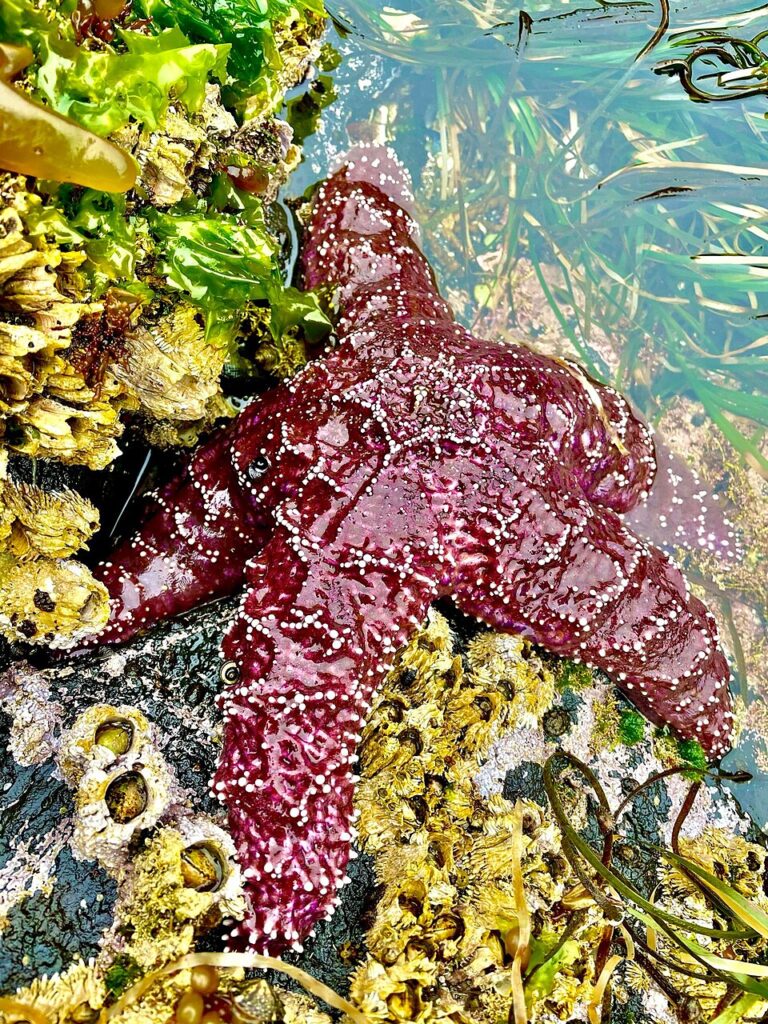
The term keystone species was coined in 1969 by zoologist Robert T. Paine, who observed that the loss of a certain sea star led to a quick and dramatic decrease of species diversity in the area, including the complete destruction of one species of algae. Paine compared the sea star’s importance to the keystone of an arch: a small but necessary stone that holds the entire arch together.
Keystone species come in many varieties, some majestic and some miniscule. Some, like zooplankton, are hugely abundant and form the foundation of food webs. Some have small numbers, such as wolves, and can impact herd migrations. Each enriches their environment dramatically. Frequently, keystone species can be categorized into three groups, predators, mutualists, and engineers, which create familiar patterns of organisms that keep life going around the world.
Predators
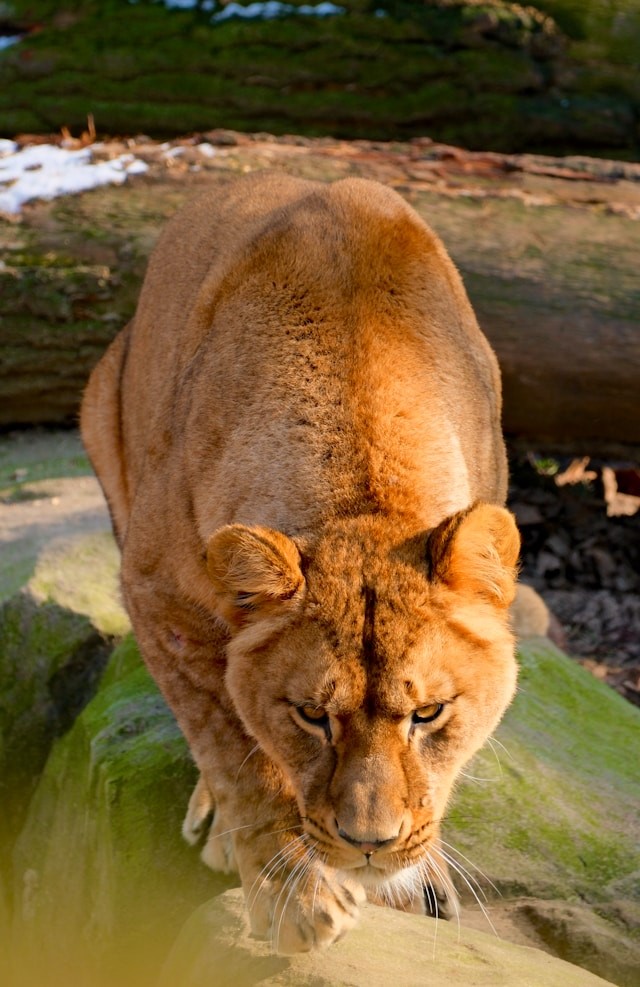
On the surface, predators are killing machines. Lions, tigers, and bears are not only iconic animals, their skills are highly valuable to their ecosystems. By hunting prey animals, they help keep herds and flocks and schools from growing so large they overwhelm the local ecosystem. Did you realize that in hunting, predators improve herds? That is because even for so majestic an animal as a cheetah, hunting is a dangerous occupation; many prey animals have their own claws or horns or many-pronged antlers for defense. By picking off slow, weak, and sickly specimens, disease spreads slower and the fittest are left to breed.
When herd numbers are reduced, fewer of an environment’s resources are used. Food species have a chance to recover and thrive, while areas cleared by grazing have room for new species introduced from seeds in herbivore scat. The very presence of predators also changes the habits of food animals, encouraging them to expand their grazing rather than lingering to devour everything before moving on. An example of this can be found in tiger sharks, who like to feed on sea turtles, who love eating seagrass. When the sharks are nearby, sea turtles expand their grazing, leaving the seagrasses a chance to recover and continue to thrive – and provide both food and shelter for many other species.
Want to Know More?
Check out THIS Exploring Nature article!
Many predators also leave leftovers, to their neighbors’ benefit. Carcasses provide meals for scavengers and produce fertilizer. Bears in North America are an interesting example. By feasting on salmon rushing upriver from the sea, they bring rich aquatic nutrients from the water to spread across the land. Uniquely, a hippopotamus, while not a predator, does just the opposite, grazing on vast amounts of grass at night and depositing the land’s nutrients into the lakes and rivers where they spend the day, a vital foundation to the local food web.
Want to Know More?
Learn more about hippos and other animals of The Gambia HERE!
Mutualists
While predators do their work alone, mutualists are just the opposite. These animals form mutually beneficial bonds with other organisms – in other words, they are symbiotic. Pollinators are an important and obvious example. Flowers provide food in the form of nectar, and the pollinator who stops to dine then carries the plant’s genetic material to wherever it next pauses for a snack, facilitating an exchange that enables plants to grow and expand. Without these animals to lend a helping antenna, humans and many other animals wouldn’t have food to eat.
Did you know …?
Bees aren’t the only pollinators. Beetles, butterflies, and moths are all pollinators, as are hummingbirds and even bats!
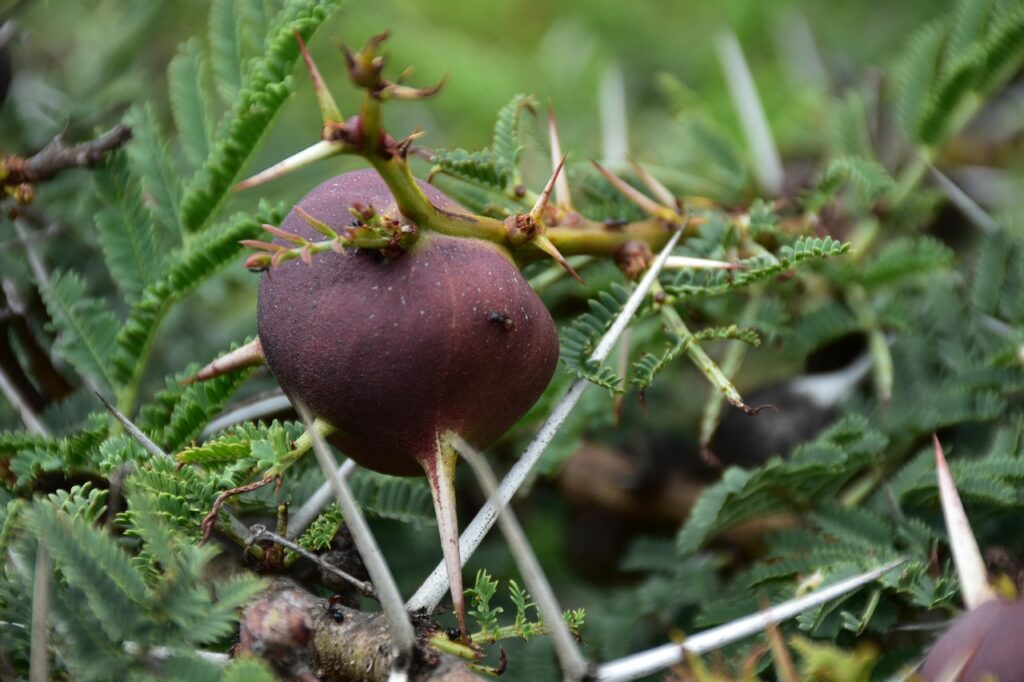
Pollinators aren’t the only mutualists. Stinging ants and acacia trees are an interesting example. The trees provide food and shelter specifically for the ants. In exchange, the ants attack herbivores such as giraffes who come to munch on the water-hording leaves. They also continuously clean the leaves as they move about, decreasing the tree’s exposure to disease and increasing its overall health. For the Sahel, acacia trees are a vital shade source for human and animal. Their roots penetrate deep into drought-hardened earth, loosening soil and creating microclimates for seeds to sprout and take root – soon, pollinators and other animals will start coming by. Thus do tiny little ants help combat the desertification threatening the Sahel.
Want to Know More?
Check out THIS Science Stories article!
Ecosystem Engineers
These animals directly change the environment they live in, and in so doing provide vital opportunities for other species in the area. Humans are famous for changing the environments where we live, but we’re not alone. Beavers are perhaps the most famous other example, building vast complexes that include canals, dams, and lodges. Other engineers are less obvious, such as the sulcata tortoise or the aforementioned hippopotamus, who not only consume vast amounts of vegetation, but who wallow. They wallow at the edge of riverbeds, creating depressions that then transform into swamps and sheltered pools in the dry season, vital havens for aquatic and semi-aquatic life.
Want to Know More?
Check out THIS Spectator Australia article!
Resources
Wiley Online Library | A Keystone Ecologist: Robert Treat Paine, 1933 – 2016