
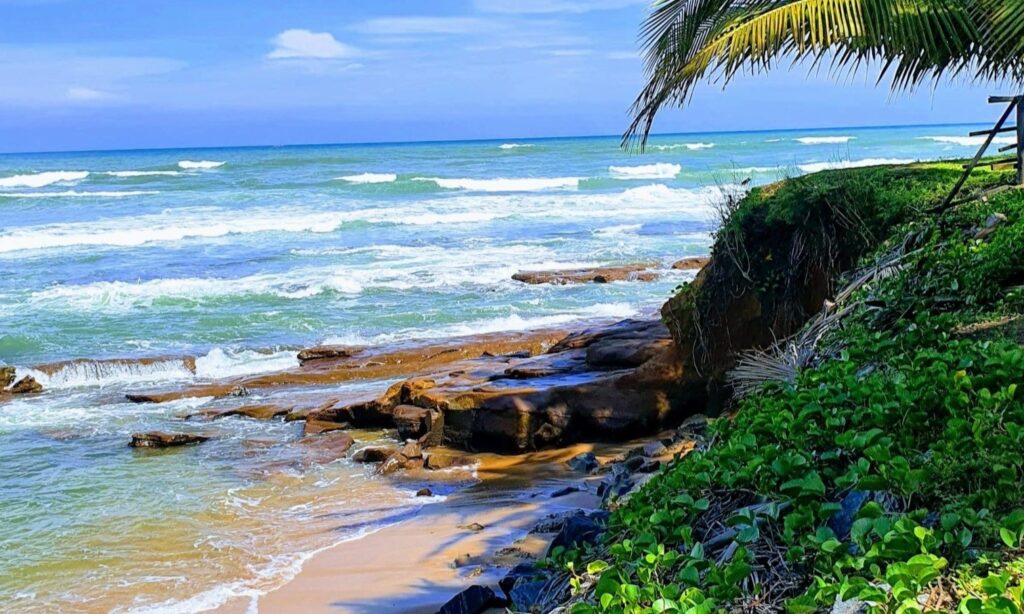
Communities around the world are experiencing coastal erosion. On the one hand, this is a natural phenomenon: storms slam into coasts, blow sand from the beach out to sea and cause catastrophic damages to the environment and infrastructure; even everyday tides crashing continuously into rocky shores, break rock apart and wear cliffs down with a steady onslaught of pebbles and sedimental debris carried along the waves. On the other hand, human activities compound the problem: sand mining strips beaches, leaving them vulnerable to storms; industrial accidents such as oil spills destroy natural buffers such as marshes and seagrass meadows; port and other infrastructure construction disrupts sediment supplies that replenish beaches; greenhouse gas emissions exacerbate global warming, speeding glacier melt and driving the rise in sea levels.
Coastal erosion also heightens the risk of flooding in vulnerable areas. This poses a serious threat to coastal habitats, ecosystems, and human settlements.
– Josefina Bordino, writing for The Daily ECO
Nature’s Buffers
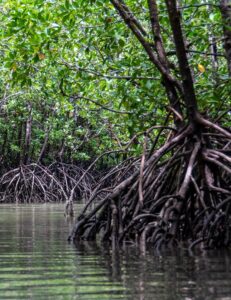
While coastlines have always been dynamic environments, there are a number of ways nature itself acts as a buffer to protects the shore. Seagrass beds, for example, act as filters, trapping sand particles drifting along the retreating tide. Coral reefs help absorb the shock of raging storms and reduce the impact of waves. On land, plants are crucial to stabilizing a coast. Shrubs, sand grasses, and trees such as palm and mangrove push their roots deep into the earth; in anchoring themselves to the shore, they in turn help anchor the shore to the land. Brackish water plants such as mangroves have the added benefit of acting as water purifiers, helping to combat salt water from surging upriver and encroaching on agricultural fields, such as is happening along the Gambia River.
When it comes to stabilizing shorelines, we can take inspiration from nature. We can build buffer zones of rocks and grasses, create living shorelines that directly mimic nature. Infrastructure such as seawalls and bulkheads are often constructed to hold soil in place and absorb large waves, limiting damage from events such as tsunamis. When applied haphazardly, however, even helpful solutions can be harmful. Critics point out that structural solutions such as seawalls are frequently built to protect areas of economic importance, accelerating damage in neighboring areas and sloughing off undesirable effects to more rural and marginalized communities.
Want to Know More?
This NOAA brochure illustrates various coastal barriers! (PDF)
Eroding Our Coasts
While challenges such as climate change and coastal erosion are natural processes, humans are causing negative impacts on these processes – and the world’s coastlines – in more ways than just greenhouse gas emissions. In today’s technology-driven world, the need for solutions becomes a dilemma, as projects intended to improve communities can end up hurting the environment. In Cameroon, for example, an oil pipeline, the Brazil-Cameroon fiberoptic cable, and construction of a deep-water port have all disturbed natural barriers and helped to increase coastal erosion.
Want to Know More?
Read this Mongabay article!
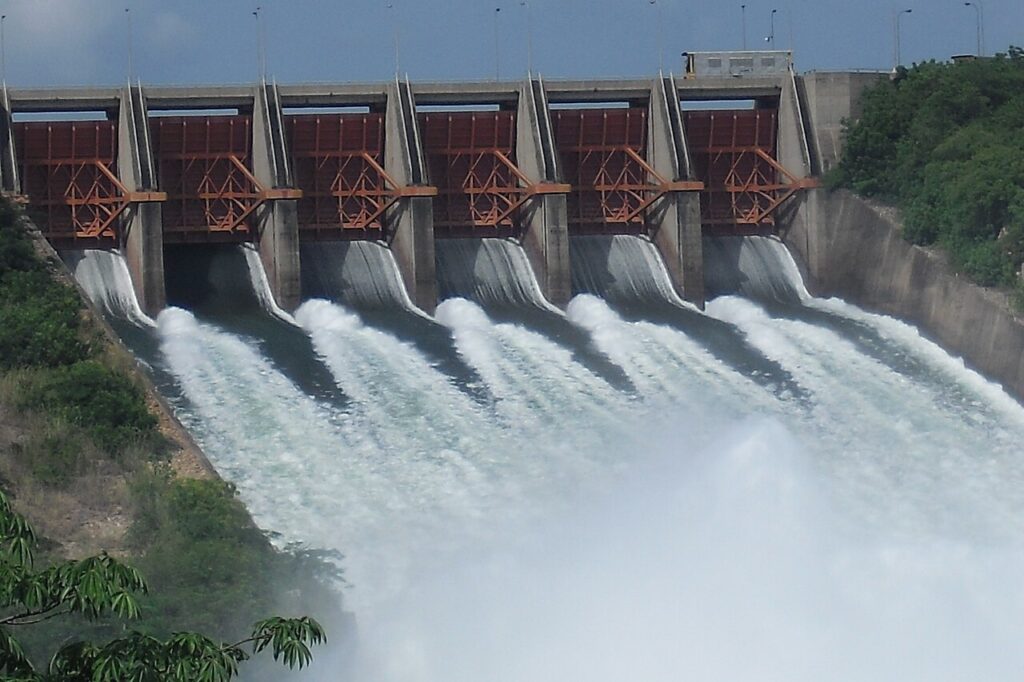

Have you ever considered that dams can disrupt as much as they can help? Along the Volta River, dams supply electricity to Ghana and its neighbors; they manage water levels and mitigate flood damage, improving countless lives. But at the same time, these dams have disrupted one of the world’s most powerful sediment transport systems and altered riparian and coastal habitats downriver. Once, the Volta transported nearly 1.5 million cubic meters of sand to the Ghanaian coast every year. Today, only 10% of that is moved, drastically affecting Ghana’s beaches; without the river’s outpouring, more and more of the beaches drift away with every tide and storm.
Deforestation also increases coastal erosion. Vast amounts of the world’s forests are being cut down to make room for agriculture, but damage isn’t only done by major projects. In parts of west Africa, mangroves are heavily harvested for firewood to smoke the fish they eat and sell, in spite of the stability these trees provide to the coast where they ply their trade. Protecting ecosystems can seem like a luxury to people struggling to survive and put food on the table.
West African Coasts
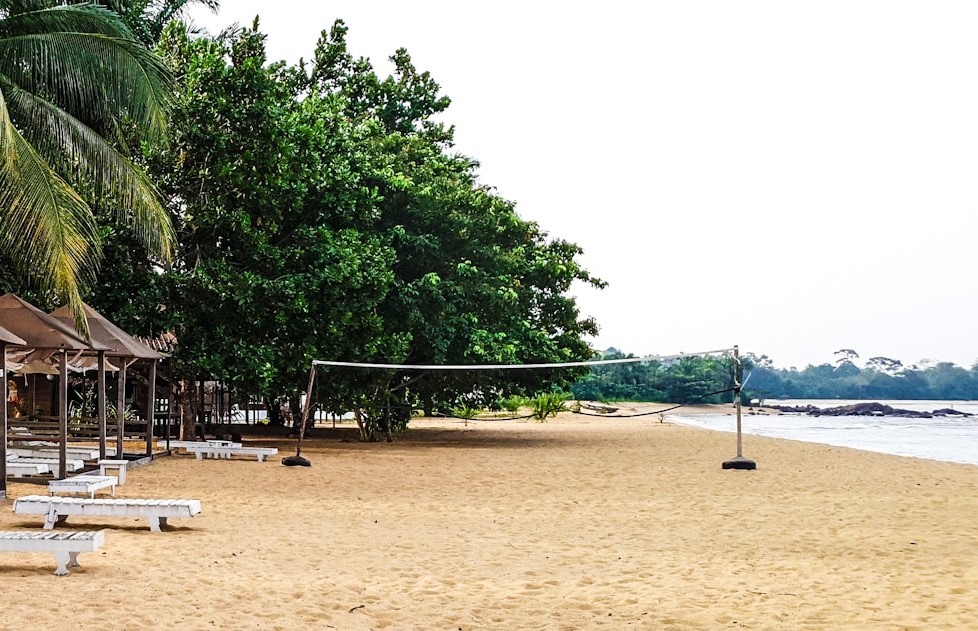
Ghana and Togo, which were once home to thriving coastal communities, are watching their land disappear under the waves, with families uprooted, infrastructure wiped out, and livelihoods shattered.
– Balogun Kamilu Lekan, writing for Qiraat Africa
Western African has been experiencing increases in coastal erosion for years. In southeastern Ghana, for example, tidal surges tear away 2 – 5 meters of coastline every year; parts of Congo lose up to 50. The retreating coastline has damaged homes, reduced natural resources, and disrupted economic development and coastal tourism, which for some countries is a major source of income. The Gambia, for example, employes nearly 100,000 people through tourism, which makes up 20% of the country’s GDP. Most of The Gambia’s tourist infrastructure is – can you guess? – along the coastal strip. All along Africa’s Atlantic coast, historic sites, homes, hotels, piers, even graveyards are being eaten by the rising sea. In Liberia, the national hospital is under threat.
For more than 50 years, JFK has served as Liberia’s only tertiary referral and teaching hospital…. Yet … the institution has struggled under the weight of aging infrastructure, limited fiscal space, and rising demand for specialized care.
– Blamo N. Toe, writing for All Africa
Built in 1971, the JFK Medical Center has a spectacular view of the ocean and nearby cliffs. Today, besides facing the usual cracks and leaks of an old building’s wear and tear, finding solutions to outdated equipment and electrical systems, coastal erosion has become a major concern. In a country of 5.5 million people, what would happen if their best medical facility tumbled into the sea? Experts warn, it’s just a matter of time.
Want to Know More?
Read this Oracle News Daily article!
Resources:
Geoscience | Shoreline Change and Coastal Erosion in West Africa (PDF)
MSN | West Africa Unites Against “Green Colonialism”