
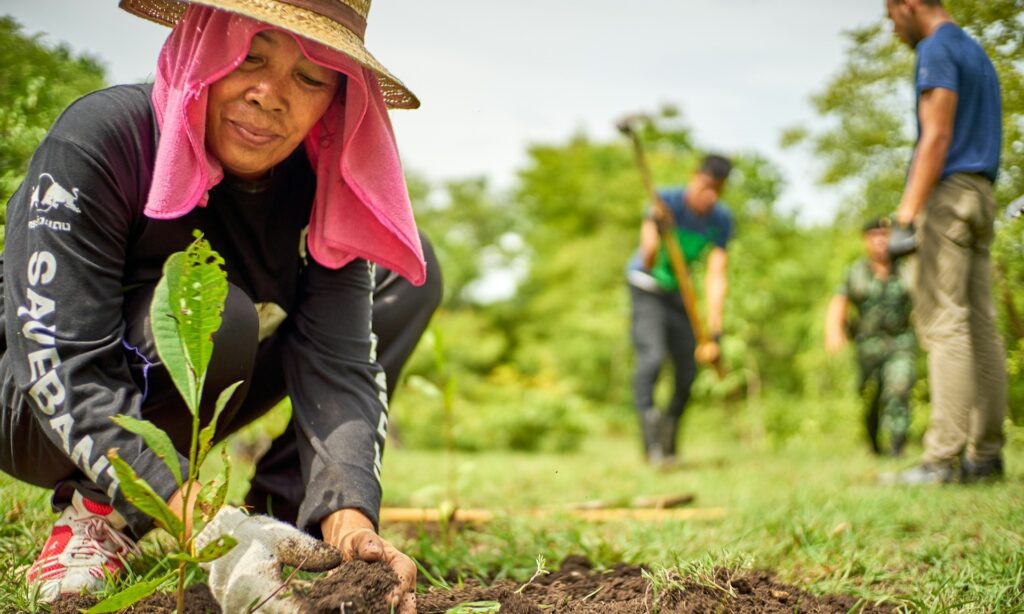
It’s been said that forests are the planet’s lungs, but they don’t just provide us with oxygen, they give us shelter and food; they stabilize the land from which they grow, and have a massive impact on the global water cycle. Whole ecosystems are dependent on trees – and so are we.
Importance of Forests
In the course of human history, an estimated 2 billion hectares of forest has been cleared for fuel and crops and livestock. Half of that occurred between 8,000bce and 1900ce; all the rest has happened since. 150 million hectares was lost in the 1980s (deforestation’s peak). More recently, in the 2010s, 10 million hectares of forest were lost each year to deforestation. In the midst of this destruction, we have been learning just how important trees and forests are to the planet, and to our own lives. Lessons are hard and affect millions: coastal erosion degrading western Africa’s shores, the 1999 Venezuelan landslide, the 1930s Dust Bowl in America.
Over 1.6 billion people depend on forests for food or fuel, and some 70 million people worldwide – including many indigenous communities – call forests home.
– WWF
Forests nurture the soil, they stabilize it against drought and flood, and they filter pollutants from the air – trees are famously huge storehouses for carbon. Did you know that forests sequester some 20% of annual human-made carbon emissions?
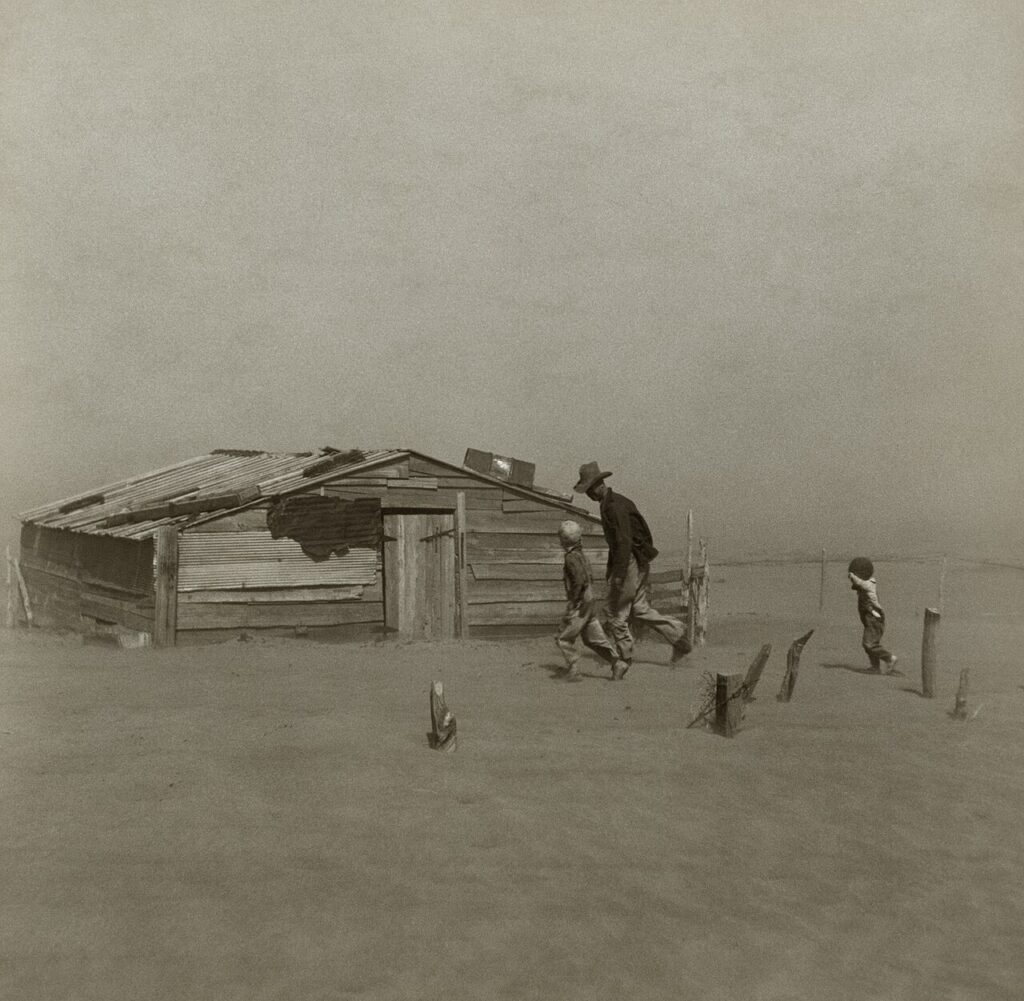

Forests are also hotspots for biodiversity and often act as keystone species in their ecosystems. As trees have been felled, we have witnessed a 69% decline in wildlife diversity since 1970. As we have come to understand and appreciate these natural buffers and processes against the onslaught of climate change, there have been efforts to repair the damage. Sometimes forests can regenerate naturally. But sometimes people replant what we once destroyed. In the midst of the Dust Bowl, for example, President Franklin D. Roosevelt devised the Great Plains Shelterbelt Project (1934) and it (you guessed it!) planted trees. By 1942, over 220 million trees had been planted, from North Dakota to Texas!
These shelterbelts reduced wind velocity, lessened moisture evaporation from the soil, and protected crops from erosion.
But FDR isn’t the only one planting trees. So, while 10 million hectares of forest were cut down each year from 2010 – 2020, with the regeneration of forests also taking place, the actual net loss in forests was actually 4.7 million hectares a year.
Want to Know More?
This Our World in Data article discusses the statistics of deforestation!
Reforestation
The concept of reforestation is fairly simple: planting and nurturing trees in order to restore deforested areas. While we might instinctually think of land cleared by human hands, have you considered damage done by wildfires? Sometimes the devastation is too extensive for the area to recover naturally – remaining sources of seeds are simply too far away for natural regeneration. In these instances, solutions involve direct seeding (introducing seeds directly to the land by human means) or, perhaps most obviously, by transplanting nursery-raised seedlings throughout the area.
Want to Know More?
Check out this USDA poster! (PDF)
The work is immense, and it starts before the first seed ever hits the ground. Often, the chosen area must be prepared, debris and competitors cleared away so young plants can thrive. Care must be taken when selecting species, too, with an emphasis on native species to uphold the local ecosystem. And then, of course, the planting, often over vast areas. Ongoing management will help ensure success, and also provide local employment. Sustainable logging operations, food production of fruits and nuts, and harvesting of medicinal plants are all economic opportunities provided by husbanding healthy local forests.
Want to Know More?
Check out this Biology Insights article!
Rewilding
A similar movement is rewilding. This approach has a broader, whole ecosystem approach that begins with similar human intervention, but then relies on natural processes (e.g., food webs, seed dispersal, water cycle, etc.) to take over. More than planting trees, these efforts restore the natural landscape, be it forest, prairie, or wetland, revitalize ecological processes and support native biodiversity.
Rewilding is not about abandoning land. It is about working with natural processes to create thriving ecosystems that provide income through environmental payments, eco-tourism, sustainable produce, and carbon credits.
– Tom and Chloe Constable, writing for Grange Project
Want to Know More?
This Rewilding Britain article describes a rewilding transformation!
Projects
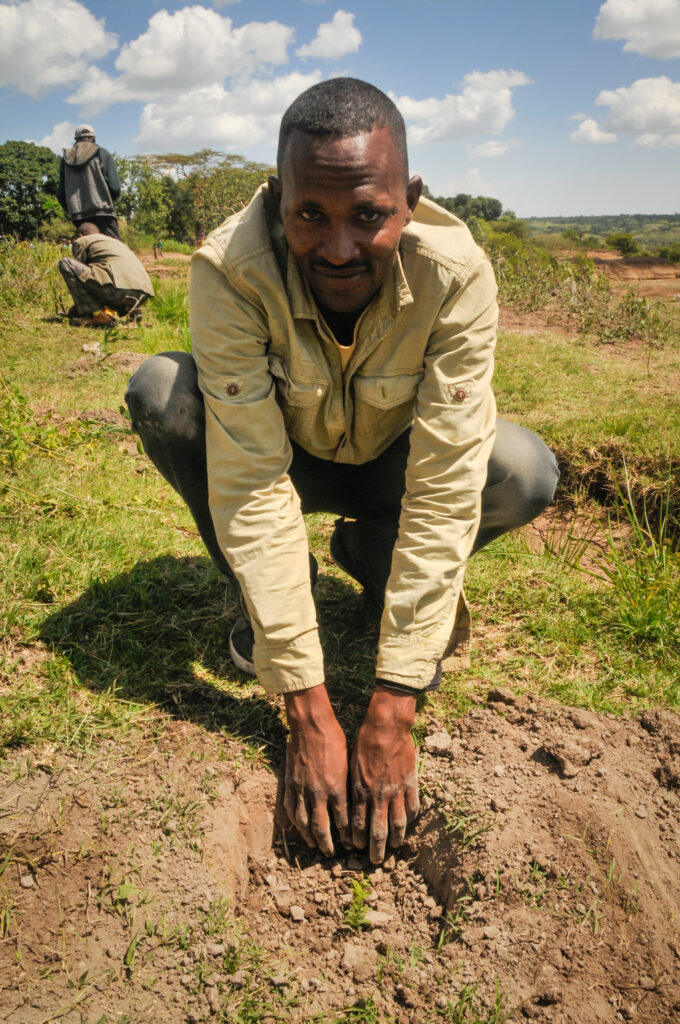
People have been planting trees – and other flora – around the world. Across the African Sahel, for example, is the Great Green Wall, while in Mongolia there are efforts to revegetate the Gobi, both of which seek to mitigate the effects of desertification. Some efforts are on a global scale, such as Trillion Trees, a collaborative project between WWF and BirdLife International to “protect and restore forests all over the world” – and, of course, plant a trillion trees! Other initiatives are community-based, or even the efforts of a single family. In the UK, for example (where the national average of forest cover is only 13%), rewilding has become a popular option for great estates whose vast fields are no longer lucrative – especially with grants available and industries such as ecotourism and camping are popular. The Knepp Estate, for example, generates over ₤1 million a year through tourism, produce, and camping, while in the US, Yellowstone National Park has seen a $828 million economic benefit from rewilding efforts.
Each of these projects, grand and small, helps to create a spreading patchwork of resilience against the growing threat of global warming and climate change.
Resources:
9Trees | Reforestation Not vs. Rewilding?
Rewilding Report | The Economic Case for Rewilding